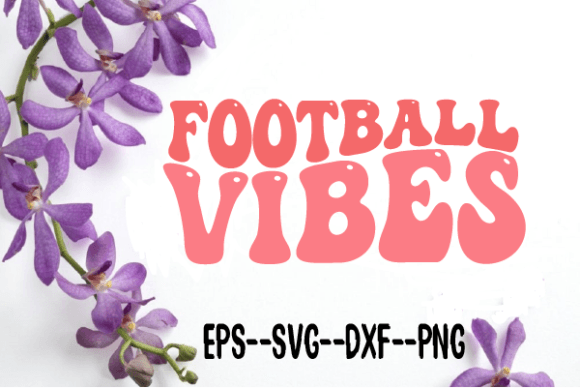
Football Vibes Retro Wavy Svg: A Stitch Test
As a designer who spends more time behind an embroidery hoop than a computer screen, I approach every new graphic with a healthy dose of skepticism. When I first opened the Football Vibes Retro Wavy Svg, my immediate thought wasn't about how pretty it looked on a monitor, but how those wavy lines would translate into actual thread. We have all downloaded files that look stunning as digital art but turn into puckered messes once needle hits fabric. This review evaluates this specific retro design from the perspective of a maker preparing for real-world production, focusing on its viability for custom apparel and small business merchandise.
First Impressions: Retro Charm Meets Stitch Reality
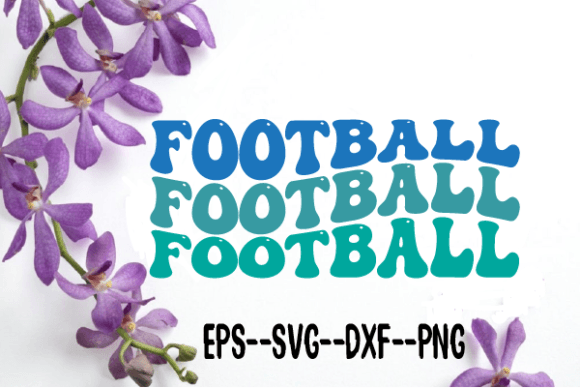
The visual personality of the Football Vibes Retro Wavy Svg is undeniably nostalgic. The wavy typography and vintage aesthetic tap into a current market trend that resonates deeply with sports moms, boutique owners, and fans of 70s-inspired decor. As a graphic asset, it has excellent flow. However, translating this flow into a machine embroidery design requires careful consideration. The curves in the lettering suggest potential challenges with registration if not digitized with proper pull compensation. Visually, the design feels playful yet structured, making it a strong candidate for casual wear rather than formal athletic gear. It strikes a balance that works well for lifestyle products where comfort and style intersect.
Real-World Application: The Custom Sweatshirt Test
To truly evaluate this file, I mentally placed it on a project I frequently produce for clients: a heavyweight cotton crewneck sweatshirt intended for fall football season. In this scenario, the Football Vibes Retro Wavy Svg serves as the centerpiece of a personalized gift or a ready-to-sell Etsy listing. For a sweatshirt application, the design’s retro nature pairs perfectly with fleece textures. The wavy elements allow for creative color blocking using different thread colors, which can elevate a simple monochrome design into a premium product.
If you are creating a tote bag design or working on canvas, this graphic offers great versatility. The bold shapes typically associated with retro wavy styles usually accommodate fill stitch areas well, providing good coverage without excessive density. However, for items like baby clothes or lightweight tees, caution is necessary. The design must be scaled appropriately to avoid becoming too stiff or heavy for delicate fabrics. As a commercial embroidery asset, its strength lies in its adaptability; it looks equally at home on a nursery pillow cover as it does on a game-day apron.
Navigating Fabric Challenges and Hoop Limitations
While the aesthetic is versatile, technical execution depends heavily on your substrate. I advise testing the embroidery file on scrap fabric before committing to a final product, especially when working with textured materials like terry cloth or ribbed knits. The "wavy" aspect of the design means there are likely curved baselines that can distort if the stabilizer choice is incorrect. On stretchy fabrics, a cut-away stabilizer is non-negotiable to prevent the waves from warping after washing.
Be mindful of hoop size constraints. Retro designs often rely on specific proportions to maintain their vintage feel. Shrinking this design too much to fit a smaller hoop might cause the internal details of the letters to merge, resulting in poor stitch clarity. Conversely, enlarging it significantly for a large back print on a jacket requires verifying that the stitch density remains consistent. If the original file was optimized for sublimation (as indicated by the included SVG, DXF, and EPS formats), you may need to adjust underlay stitches when converting it for embroidery to ensure adequate fabric stability. Always check whether the design includes specific embroidery formatting or if you are adapting a vector graphic yourself.
Critical Areas for Caution
- Curved Surfaces: Applying this to caps or curved sleeves can be tricky. The horizontal wave pattern may appear slanted on a rounded surface. Test on a cap mockup or sample first.
- Small Details: If the retro font includes distressed textures or thin serifs, these may not stitch out cleanly at smaller sizes. Simplify the design for items like baby bibs or pocket logos.
- Dark Fabrics: Ensure the design has enough contrast or outline definition. Retro colors can sometimes get lost on navy or black garments without a white underlay or border.
- Frequent Washing: For kitchen towels or baby items, verify that satin stitch columns are wide enough to withstand laundering without fraying.
Impact on Product Value and Customer Perception
In the competitive world of handmade products and Etsy shops, presentation is everything. Using a cohesive, trendy design like Football Vibes Retro Wavy Svg signals to buyers that you understand current aesthetics. However, the perceived value of the finished product relies entirely on execution quality. A clean stitch-out with crisp edges builds customer trust and encourages repeat business. When this design is executed well, it transforms a blank garment into a desirable piece of fan gear or nursery decor.
For digital product sellers and creative entrepreneurs, this file type offers dual utility. You can use the included SVG and EPS files for printable mockups or sublimation products while developing a complementary embroidery version. This consistency across product lines strengthens brand recognition. Just remember to confirm licensing terms before selling finished goods or digital derivatives. Understanding the commercial rights attached to this design asset protects your business and ensures ethical practices within the crafting community.
Designer Notes for Successful Execution
Before you thread your needle, take these practical steps to ensure success with the Football Vibes Retro Wavy Svg:
- Verify File Compatibility: The package lists DXF, EPS, and SVG. These are primarily vector/cutting formats. Confirm if a dedicated embroidery format (PES, DST, JEF) is included or if you must digitize/convert the vector yourself. If converting, add appropriate underlay for fabric stability.
- Contrast Check: View the design in black and white before stitching. This reveals whether the design relies solely on color for definition or if the structural lines hold up independently.
- Stabilizer Matching: Match your stabilizer weight to the fabric, not just the design. Heavy retro fills on light fabric require a balanced approach to prevent puckering.
- Mockup Testing: Use digital tools to visualize placement. Seeing the design on a virtual sweatshirt or tote bag helps identify proportion issues before wasting materials.
- License Review: Explicitly check if the license covers commercial sale of physical embroidered goods versus digital redistribution. This distinction is vital for shop owners.
Ultimately, the Football Vibes Retro Wavy Svg represents a fantastic opportunity for makers tapping into the nostalgia market. Its success in your shop or studio will depend less on the file itself and more on your thoughtful application of embroidery fundamentals. Treat it as a starting point for creativity, test rigorously, and let your craftsmanship turn this retro graphic into a modern bestseller.